When homeowners ask, “What’s the difference between epoxy and polyurea-polyaspartic flooring?”, they are usually trying to figure out which option is better. The reality is that these materials are not competing products. They serve different roles within a layered professional garage floor coating system. Knowing those differences helps you ask better questions and avoid costly mistakes when comparing installers in the Toledo area.
Ask How Moisture Is Managed Before Polyaspartic Flooring
Concrete in Northwest Ohio often contains moisture, even when it looks dry. Before any polyaspartic-only flooring is installed (i.e., where a polyurea or polyaspartic is applied as both the direct-to-concrete primer coat and clear top coat), the installer should explain how moisture is being evaluated and managed.
Without proper moisture mitigation (polyurea-polyaspartics are lousy at moisture mitigation), coatings applied to concrete are more likely to lose adhesion over time. So proper application of a moisture mitigating primer coat (that acts as a moisture vapor barrier) has a major impact on how long your floor lasts.
Ask What Product Is Used Beneath the Surface
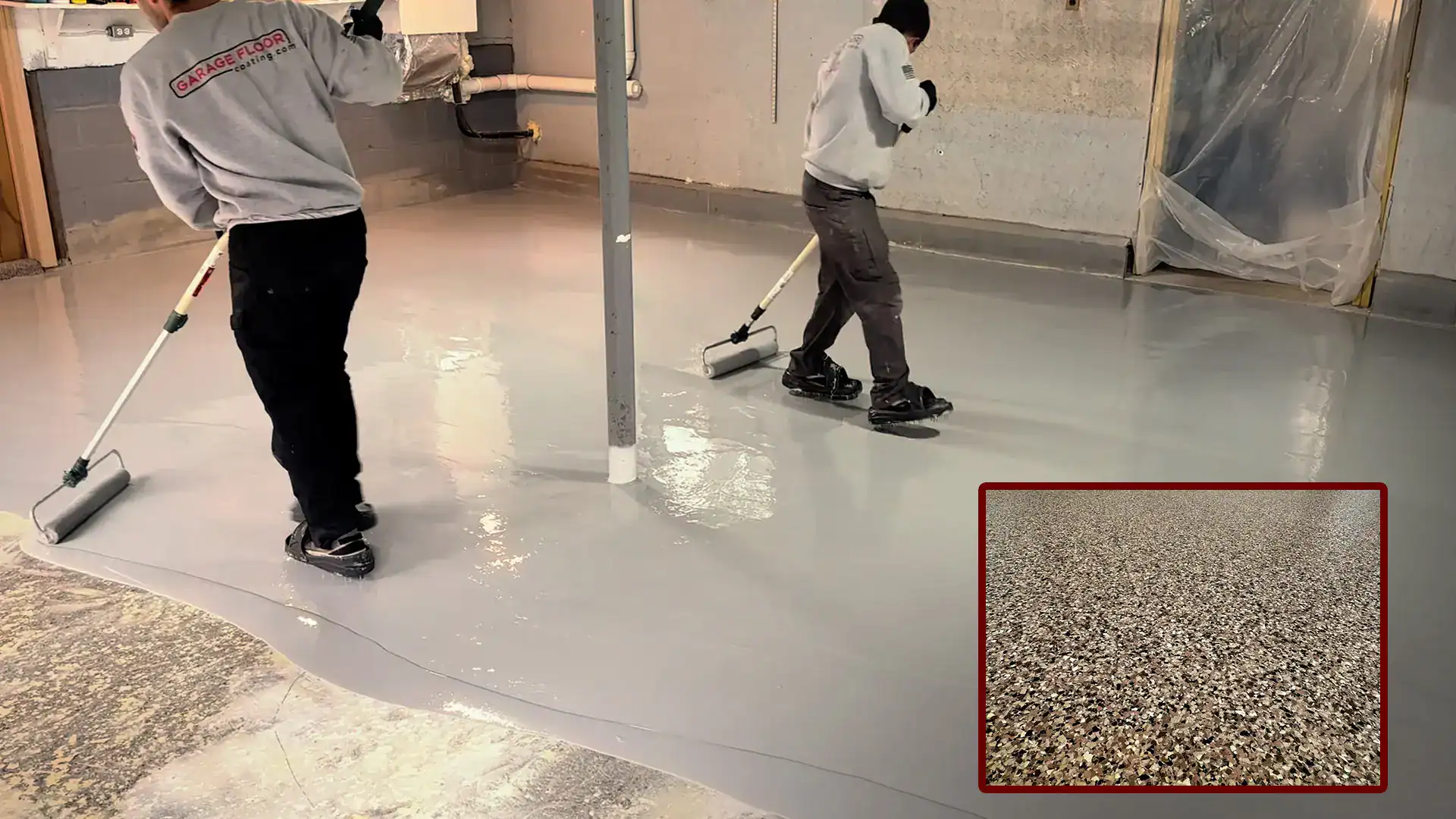
A key difference between epoxy and polyurea-polyaspartic materials is where they belong in the layered coating system. A moisture-mitigating epoxy coating is best used as the direct-to-concrete primer coat…not a polyurea or polyaspartic. Why? Because a moisture-mitigating epoxy is (i) a high-build coating, so it goes down far thicker than a polyurea-polyaspartic, and (ii) it cures slowly, even in the presence of moisture; it has time to deeply penetrate the porous concrete. The thick, deeply-penetrating foundation acts as a moisture vapor barrier, mitigating future moisture-related issues. (The entire coating system is only as strong as its primer coat!).
Conversely, polyurea-polyaspartic coatings goes down thinly and cure extremely quickly (relative to an epoxy) in the presence of moisture. As a primer coat, they simply don’t penetrate the concrete slab like a slower curing epoxy. That is, they are poor at mitigating moisture. However, polyurea-polyaspartic coating perform exceptionally well as clear top coats. More on this later.
Ask How UV Protection Is Built Into the System
Although an epoxy offers excellent durability as a primer coat, it has a lower UV resistance (it can fade or chalk over time), which is why it is best not to use this product as a topcoat in sun-exposed areas. Conversely, polyurea-polyaspartic coatings provide strong UV stability, preventing discoloration over time, along with excellent stain, impact, and chemical resistance. A complete garage floor coating system should use both an epoxy and polyaspartic to provide unmatched durability over the long haul.
Ask Whether the Coating Is Installed Over 1-day or 2-days
This is why polyurea-polyaspartic 1-day coating systems can be a recipe for disaster. They use the polyurea-polyaspartic as BOTH the primer coat and top coat. Less experienced contractors like them because the quick-cure property allows them to get the job done in the promised 1-day. But the proper approach must address potential concrete moisture issues (“1-day” systems don’t).
2-day systems use the best properties of both coating types. These coating systems use a moisture-mitigating epoxy as the direct-to-concrete primer (allowing a full day for adequate curing), and save the polyaspartic as the clear top coat. A professional installer should be able to explain their process clearly instead of forcing every project into a sped-up schedule.
Visualize Your Options Before You Decide
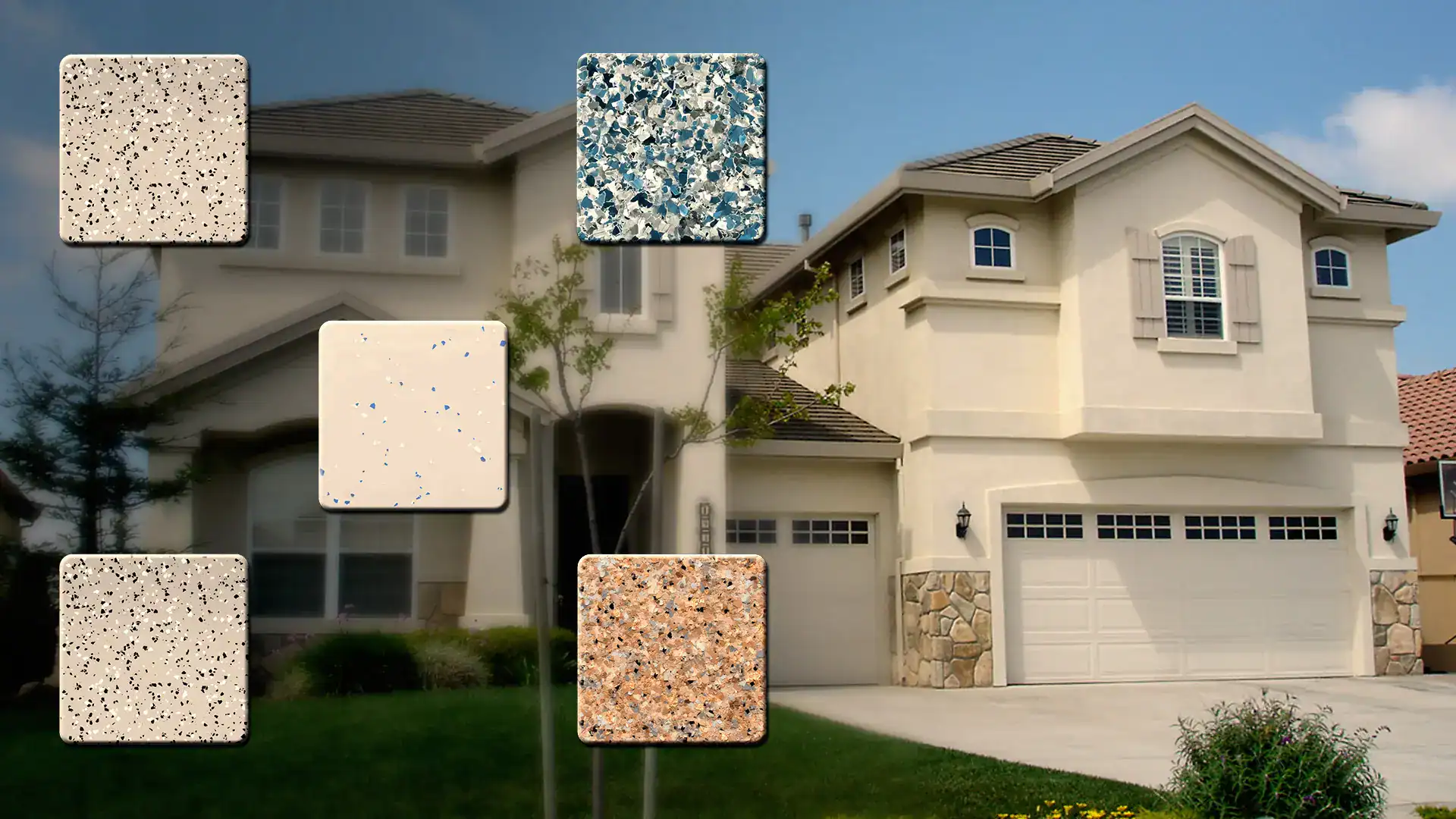
Garage Floor Coating – The Great Lakes offers a Live Coatings Visualizer, allowing you to preview colors and flake blends in your actual garage or home.
If you are considering polyaspartic flooring, contact our team to schedule a consultation and design a garage floor coating system built for long-term performance and everyday use.